Welcome to Creative Counseling 101.com!
This site has over 800 free pages of Creative Counseling ideas, techniques, lessons, and much more! Free, colorful, worksheets you can reproduce for your clients and students!
Let this site show you what they often neglect to teach you in graduate school! Learn trade secrets from a college graduate school professor and many experts who write for this site!
Announcing the Newest eBook from Creative Counseling 101.com:
Beyond Art Therapy 101
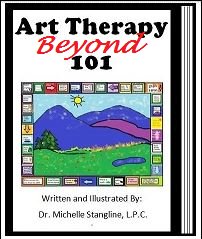
It's Finally Here! Dr. Stangline's newest eBook based on her graduate college counseling class. Learn everything Dr. Stangline teaches in a graduate school art therapy class. See the right hand column for more information. Over 300 pages of art therapy techniques and activities for all mental health professionals, not just art therapist! Beyond Art Therapy goes beyond traditional art therapy and utilizes Creative Counseling techniques as well.
What Exactly is Creative Counseling?
Creative Counseling combines creativity with Play Therapy, Art Therapy, Sand Tray Therapy, Visual Imagery, Miniature Phenomenological Worlds, Therapy Games, Bibliotherapy, Helping Skills, Ethics, Group Therapy, and much more!
Creative Counseling offers more to clients than the traditional therapies do. Let us show you the secrets of therapy and counseling with our free activities and techniques.
Dr. Stangline, a Counseling Psychologist, has taught Play Therapy, Sand Tray Therapy, Counselor Ethics, Counseling Supervision, Helping Skills, and Creative Counseling classes to graduate students at two major universities in Atlanta, Ga. She has also taught graduate counseling classes online.
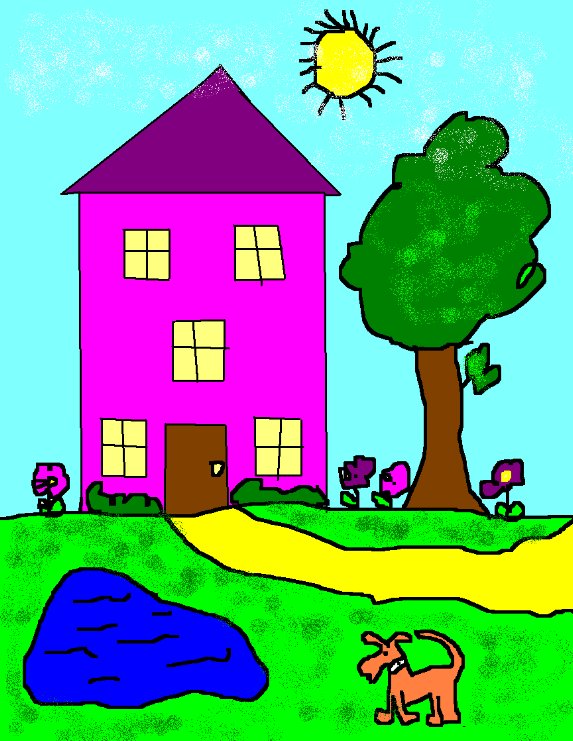
House, Tree, Sun, Water, Animal Art Therapy Activity with Translation Information: See Art Therapy Tab to the left on the Navagation Bar.
The Creative Counseling approach offers a creative way of doing therapy for clients in order to promote emotional well being and healing.
Let us show you what they teach in graduate school and give you the tools you need to be a Creative Counselor or Therapist!
Creative Counseling can also be modified to use in the school counseling sector for students. Dr. Stangline has worked as a school counselor for the past twelve years, as well as a private practice therapist.
Using The Creative Counseling Approach with Clients and Students Allows the Following:
- A stronger therapist/client relationship develops
- Creative new ways of being are developed within the psyche
- Identify the client's creative strengths
- Removes many mental blocks the client has
- The client becomes more self-aware
- The client learns new creative ways towards a healthier life
- Promotes a deeper healing and growth in therapy
- The unconscious mind becomes more conscious to the client
- People of all ages, cultures, and religions can benefit from using creativity in therapy
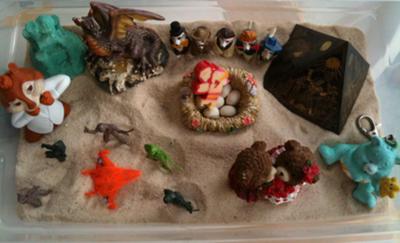
Creative Counseling offers more than one, or two, therapeutic approaches. It is a conglomeration of many therapy styles and schools of therapeutic thought.
It is an eclectic way of doing therapy that promotes healing on a deeper level for the client.
The Creative Counseling way allows the therapist to have greater access to tools and techniques to promote this deeper level of healing.
When a therapist uses Creative Counseling they rarely get "stuck"! Creativity is the guide for the therapist and the client. Creative Counseling is much more than just "talk therapy".
Creative Counseling offers therapist more tools to use in their counseling sessions with clients. This website contains many basic tools using Creative Counseling.
This type of therapy is geared for the beginning therapist, as well as the advanced, seasoned, therapist who is looking for more to offer to their clients.
The activities shown have been used in the private practice setting and the school counseling setting for clients of all ages.
Every age group, culture, and gender responds well to Creative Counseling! I have taught these activities to college students in graduate counseling programs, as well as private practice and the school counseling setting.
These creative counseling activities work well for all age groups. There is no age limit for Creative Counseling! Are you ready to be a creative counselor, or psychotherapist?
Are you ready to move forward in your career and never get "stuck" again in a therapy session?Then let me show you what I have shown hundreds of other therapists, graduate students, and clients!
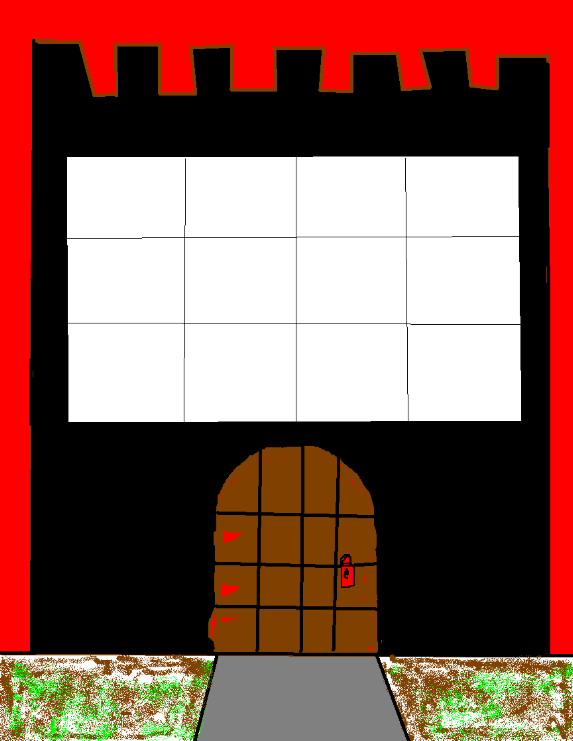
The Tower Anger Management Activity Above: See Anger Management Link for free worksheets.
This is the place to be if you are willing to go further in your training. On this site you will see over five hundred pages of examples in the following disciplines:
- Beyond Art Therapy
- Play Therapy
- Doll House Therapy
- Sand Tray Therapy
- Anger Management
- Genograms
- Mandalas
- Play Therapy & Creative Counseling Games
- And So Much More!
If you are not using Creative Counseling then you are not doing what is best for your clients. Creative Counseling is for clients of all ages and cultures. Therapist who use Creative Counseling never get "stuck" when utilizing therapy with clients.
This website has over eight hundred free pages on Creative Counseling, School Counseling, Play Therapy, Sand Tray Therapy, and more. Once you learn the secrets of Creative Counseling you will never go back to the old way of doing therapy, or counseling!
For more information on Creative Counseling Lessons see the right column for on-line eBooks.
Titles of eBooks from Dr. Michelle Stangline:
Creative Counseling 101
Creative Play Therapy 101
Creative Groups 101
Creative Sand Tray Therapy 101
Beyond Art Therapy 101
Warm & Fuzzy Guidance Lessons for School Counselors
See right hand column for all eBooks and visit our eBook Store tab to the left.
All Links can be found below and also on the Navagation Bar to the Left.
How To eBooks Creative 101 eBookGroup eBook
Learn More About It Creative CounselorShelter House Therapy Traveling Counselor Sand Tray Therapy Career Counseling Test Positive Behavior
Play Therapy Methods Play Therapy Syllabus What is Play Therapy? Play Therapy Play Therapy History How to Do Play Therapy Play Therapy Warm Ups Play Therapy Rooms Play Therapy Toys Puppet Theaters in P.T.Creative Puppets Play Therapy Worlds Creative Masks Play Therapy Activities Make Your Own Tools Play Therapy Games
Beyond Art Therapy Color Psychology Creative Mandala
Sand Tray TherapySand Tray History Sand Tray Class Self-Healing Sand Tray
Anger ManagementAnger Management
AffirmationsAffirmations
See Examples More Examples Inner Child Creative Scents Self-Esteem Sugar Therapy The Labyrinth Visual Imagery
Grief & Loss Stress ReductionBehavior Supports Brain Building Ideas Stop Nightmares Etiquette and Manners Make the World Better Place
Site InformationAbout Dr. Stangline Contact Me Affiliate Disclosure Disclaimer Privacy Policy Photo Gallery
Disclaimer: This website and its content is intended for trained licensed mental health professionals and school certified mental health professionals to use for their clients / students at their own discretion.
*If you ignore the disclaimer above are using these techniques on yourself and you feel any discomfort or upset it is highly suggested that you seek out a licensed mental health professional immediately.
"Beyond Art Therapy" is the concept from Dr. Stangline that combines all creative fields in therapy. It is not the traditional "art therapy" but goes beyond to include sand tray therapy, play therapy, mindfulness, meditation, color therapy, cognitive behavioral therapy, and a vast majority of other therapies.
For any other type of mental health emergency call your local 911 / Police Number immediately.
Dr. Stangline does not offer advice / suggestions to anyone who is not a professional mental health provider, or a student who is studying this field and has questions about mental health programs of study.
See our Exciting Selection of eBooks:
Award Winning:
Creative Counseling 101 eBook
Our Best Seller!
Step By Step Therapy:
Learn how to be a more Creative Therapist with the Book that started it all!
- Graduate School Counseling book used by hundreds of graduate counseling students!
- Includes full color reproducible worksheets with most activities.
- Winner of the Counselor Writer of the Year Award, 2011, Georgia Regional Award
Download Your Copy Today Only $39.95:
See Creative Counseling 101 eBook Information Here:
Get the Set
of all four
eBooks for only $98.95:
An incredible collection of how to do therapy eBooks!
A $159.80 Value,
You Save Over $60!
Get your complete set of the Creative Counseling 101.com eBooks by Dr. Michelle Stangline for only $98.95, that's less than $25.00 per eBook (Regular Price is $39.95 for each eBook.).
Your complete set includes:
- Creative Counseling 101
- Creative Group Counseling 101
- Creative Play Therapy 101
- Creative Sand Tray 101
For more information click the link below:
See Complete Set of eBooks For Sale Here:
New!!! "Beyond Art Therapy" 101 eBook
Over 300 pages of Beyond Art Therapy activities and techniques. Learn what I teach graduate counseling students!
See the link below for more information.
Only $39.95
See More Invividual eBooks For Sale:
Sand Tray Therapy 101 eBook:
Learn how to do Sand Tray Therapy or enhance your skills.
Play Therapy 101 eBook
Learn how to do play therapy or enhance your skills.
Small Group Counseling eBook For Sale:
Learn how to do creative group therapy and enhance your skills.
School Counselor Guidance Lesson & Social Stories eBook for sale:
Get a year's worth of school counselor guidance lessons with "Creative Warm & Fuzzy Classroom Guidance Lessons eBook". Introduce your students to the "Warm & Fuzzy Way". Click the link below for more information:
Warm & Fuzzy School Counselor Guidance Lessons eBook